
Why is produce so expensive right now? Learn what’s driving grocery store prices up and how alternative systems can offer better value.
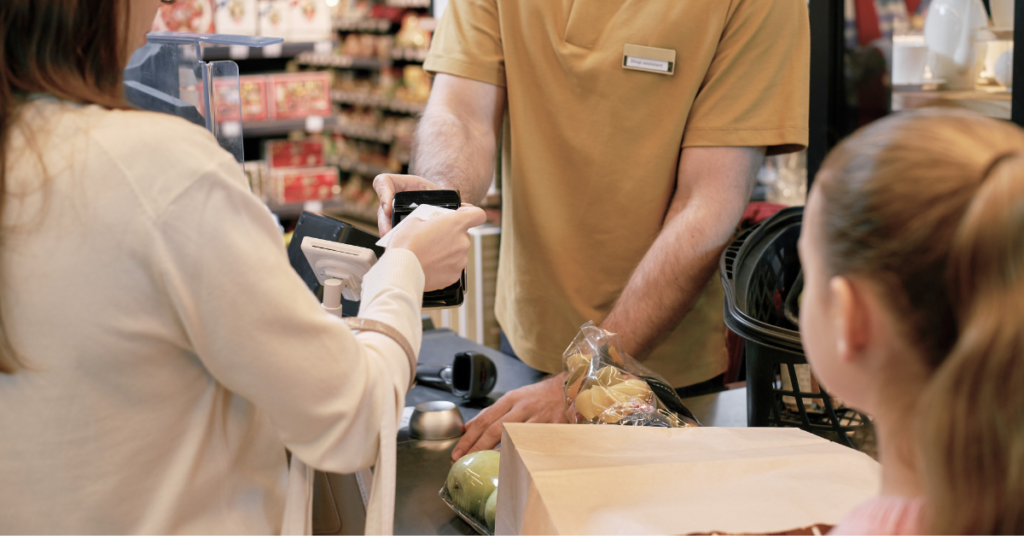
If you’ve noticed your grocery bill going up, you’re not imagining it.
Produce prices have been rising due to a combination of:
The result is simple: you’re paying more for the same food.
By the time produce reaches a grocery store, it has already passed through several steps:
At each stage, costs are added.
This includes:
By the time it hits the shelf, the price has increased significantly.
Grocery stores are expensive to operate.
They have to cover:
Produce sits in-store until it’s sold — and maintaining that environment costs money.
Those costs are built into the price you pay.
Not all produce gets sold.
In fact, a large portion is lost due to:
To offset this, stores price produce higher to account for what won’t sell.
So even if you’re buying good food, you’re also indirectly paying for the food that gets thrown away.
Grocery stores prioritize how produce looks.
That means:
Anything that doesn’t meet those standards often doesn’t make it to shelves — even if it’s still perfectly usable.
This limits supply and drives prices up.
Produce often travels long distances before it reaches a store.
Costs include:
With rising fuel and logistics costs, these expenses are passed directly to the consumer.
Produce availability changes constantly based on:
When supply drops, prices rise.
Grocery stores still need to stock shelves consistently, so they often pay higher prices to maintain supply — which increases retail pricing.
Grocery stores are designed for convenience:
But convenience isn’t free.
You’re paying a premium for:
Because traditional grocery systems are rigid, they come with higher costs.
Alternative systems — like produce boxes — operate differently by:
This allows for:
Grocery store produce is expensive because of how the system is built.
Between markups, waste, transportation, and overhead, costs add up at every stage.
That’s why more people are starting to look for alternatives that offer: