Learn how to store fruits and vegetables properly to keep them fresh longer, reduce waste, and get the most out of your weekly produce.
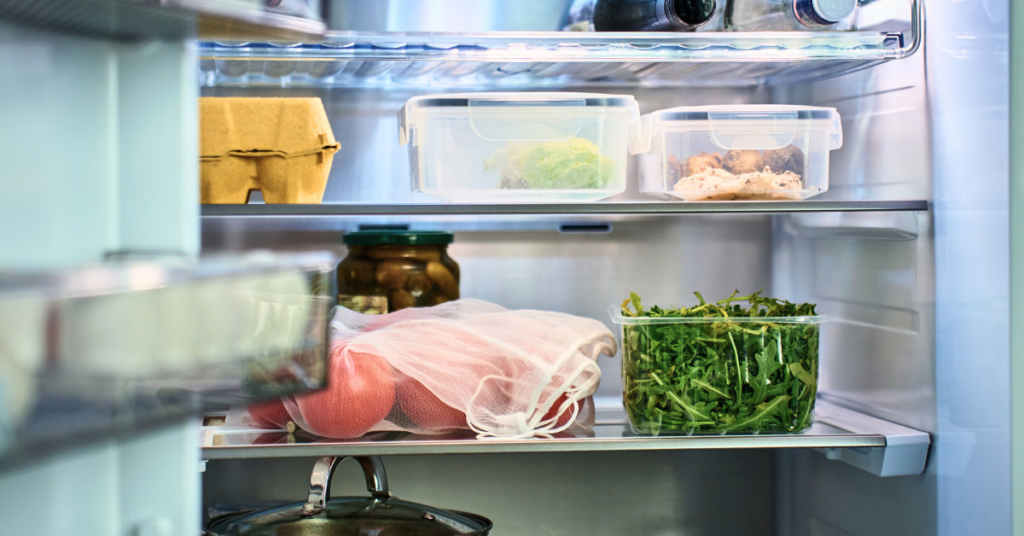
Why Proper Storage Matters
A lot of produce doesn’t go bad because it’s low quality — it goes bad because it’s stored incorrectly.
When you store produce the right way, you:
- Make it last longer
- Reduce waste
- Get more value out of what you buy
This is especially important when you’re working with larger quantities of fresh produce.
Step 1: Sort Everything Right Away
As soon as you get your produce:
- Take everything out of the box
- Separate items by type
- Check for anything that needs to be used sooner
Don’t leave everything packed together — that traps moisture and speeds up spoilage.
Step 2: Know What Goes in the Fridge (And What Doesn’t)
Keep in the Fridge:
- Leafy greens (lettuce, spinach, kale)
- Berries
- Broccoli, cauliflower
- Carrots
- Herbs (in most cases)
Keep on the Counter:
- Bananas
- Tomatoes
- Potatoes
- Onions
- Citrus fruits
Storing items in the wrong place is one of the fastest ways to ruin them.
Step 3: Keep Moisture Under Control
Too much moisture = faster spoilage.
Tips:
- Don’t wash produce until you’re ready to use it
- Use paper towel in containers to absorb excess moisture
- Avoid sealing wet produce in airtight containers
Dry = longer shelf life.
Step 4: Separate Ethylene Producers
Some fruits release a natural gas (ethylene) that speeds up ripening.
Common high-ethylene items:
- Bananas
- Apples
- Avocados
- Tomatoes
Keep these away from:
- Leafy greens
- Berries
- Broccoli
This simple step can add days to shelf life.
Step 5: Use the “First In, First Out” Rule
Don’t let items get buried.
- Put older items at the front
- Keep newer items behind them
- Make it easy to see what needs to be used first
If you don’t see it, you won’t use it.
Step 6: Give Produce Room to Breathe
Overpacking leads to:
- Faster spoilage
- Bruising
- Trapped moisture
Spread items out where possible and avoid cramming everything into one drawer or container.
Step 7: Adjust Based on What You Received
Not all produce has the same shelf life.
Use sooner:
- Berries
- Leafy greens
- Soft fruits
Last longer:
- Root vegetables
- Potatoes
- Onions
- Citrus
Plan your week around this — not everything should be used at the same time.
Common Mistakes to Avoid
- Washing everything right away
- Storing all produce in one place
- Ignoring moisture buildup
- Letting items sit unopened in a box
- Mixing fast-ripening fruits with sensitive produce
How This Helps You Get More Value
When produce lasts longer:
- You throw less away
- You use more of what you paid for
- You make fewer extra grocery trips
Storage isn’t complicated — but it makes a big difference.
The Bottom Line
Storing produce properly comes down to a few simple rules:
- Sort it
- Store it in the right place
- Keep it dry
- Use it in the right order
Do that consistently, and your produce will last longer — and your grocery spend will go further.